Sheffield Shield Round 14: Western Australia Build Command Over Tasmania at Perth Stadium
Sheffield Shield Day 3 report: Western Australia post 439 to take a first-innings lead over Tasmania (342). Tasmania reach 18/1, trailing by 79 runs at Perth Stadium.

Western Australia seized the upper hand in their 14th match of the Sheffield Shield season against Tasmania at Perth Stadium, amassing 439 in their first innings to establish a 97-run lead over Tasmania's 342. By stumps on Day 3, Tasmania had reached 18 for the loss of one wicket in their second innings, leaving the visitors trailing by 79 runs heading into the final day's play.
Lower-Order Contributions Shape Western Australia's Total
Resuming Day 3 with ambitions to surpass Tasmania's formidable first-innings total, Western Australia's batting lineup displayed commendable resilience. Rather than relying solely on top-order run production, the home side benefited from resolute stands through the middle and lower order.
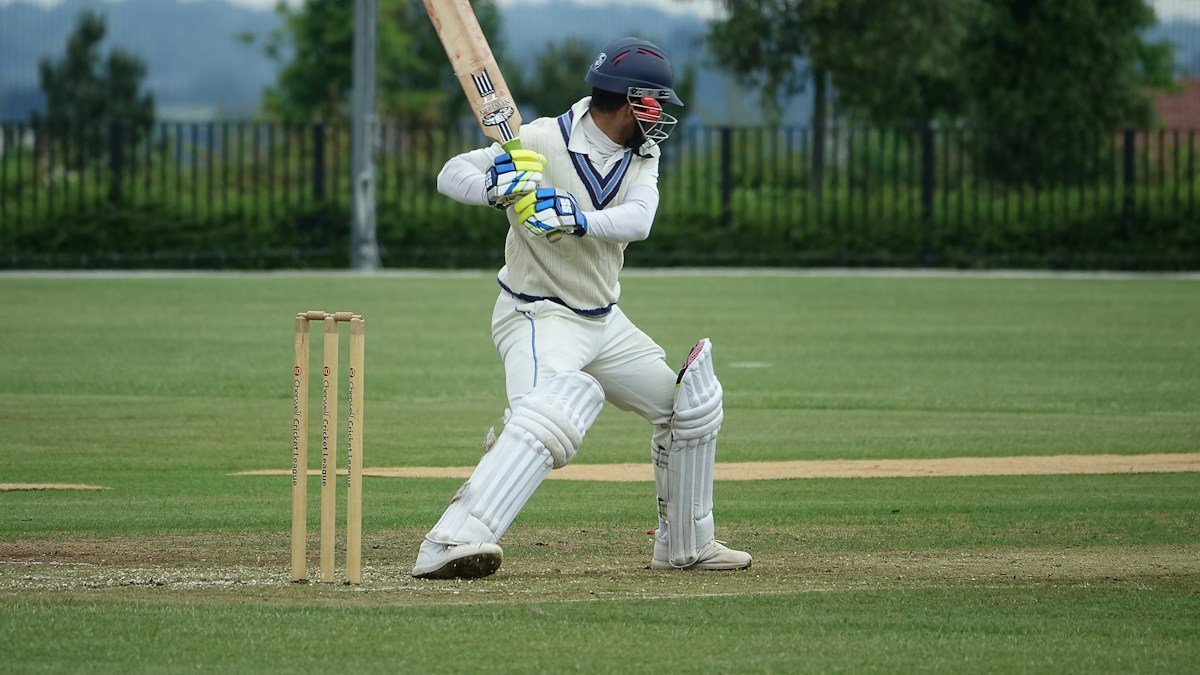
Perth Stadium's surface offered consistent bounce and carry, but WA batters adjusted by playing the ball late beneath their eyes, cutting forcefully square of the wicket and driving through extra cover whenever Tasmanian bowlers overpitched in pursuit of swing.
| Team & Innings | Score | Overs | Leading Run-Scorers | Key Bowling Figures |
|---|---|---|---|---|
| Tasmania 1st Innings | 342 all out | 104.2 | Top-Order Centuries & Solid Starts | Lance Morris 3/68, Joel Paris 3/54 |
| Western Australia 1st Innings | 439 all out | 131.0 | Middle-Order Half-Centuries | Gabe Bell 4/82, Lawrence Neil-Smith 2/76 |
| Tasmania 2nd Innings | 18/1 (Trail by 79) | 8.0 | Caleb Jewell (9*) | Cameron Gannon 1/8 |
Tasmania's Bowling Endurance and Second Innings Stumble
Tasmania's seamers labored diligently across 131 overs, with Gabe Bell leading the attack with precision line-and-length bowling. However, prolonged spells in warm afternoon conditions took a toll, allowing WA's tail-enders to extend the lead beyond ninety runs.
When Tasmania began their second innings late in the third session, WA's opening pacers attacked immediately with a packed slip cordon. An edge through to the wicketkeeper removed opening batter Tim Ward, putting Tasmania on the defensive before stumps were drawn.
Final Day Equation and Tactical Outlook
With three sessions remaining on Day 4, Tasmania must bat through the first two sessions to eliminate the 79-run deficit and set a defensible fourth-innings target. For Western Australia, early wickets during the morning session will open the door for a decisive push toward maximum Sheffield Shield points.
Perth Stadium has increasingly favored pace attacks capable of extracting steep bounce from short-of-a-length deliveries. Western Australia's fast-bowling arsenal has capitalized repeatedly on these venue characteristics throughout the season, establishing Perth as one of the most demanding away assignments in Australian first-class cricket. Tasmania's batters face a stern examination of their back-foot defense against the rising red ball.
Check the latest first-class scores on PTV Sports Live, monitor domestic tournament tables on the Points Table, and view upcoming match schedules on Fixtures.
Frequently Asked Questions (FAQ)
What is the match situation at Perth Stadium after Day 3?
Tasmania scored 342 in their first innings. Western Australia replied with 439 to take a 97-run lead. Tasmania were 18/1 at stumps on Day 3, trailing by 79 runs.
What made Western Australia's first innings total decisive?
Lower-middle order partnerships and disciplined contributions from their all-rounders allowed WA to surpass Tasmania's competitive 342.
How did the Perth Stadium pitch behave across the three days?
The pitch offered consistent pace and steep bounce throughout, rewarding disciplined seam bowling while providing true value for attacking front-foot strokes.
Frequently Asked Questions
Editorial Verification: PTVSports.live follows independent editorial standards. Verified Sources: ESPNcricinfo. We fact-check score reports and roster updates independently. For details on error correction protocols, review our Editorial Policy and Corrections Policy.