Quaid-e-Azam Trophy Gold Tier Round Analysis: Fast Bowling Influx Drives Domestic Championship
Round-up of the Quaid-e-Azam Trophy Gold Tier as domestic speedsters impress national selectors with hostile spells on responsive pitches.


The latest round of Pakistan's premier first-class championship, the Quaid-e-Azam Trophy Gold Tier, concluded across domestic venues with regional fast bowlers producing a barrage of hostile, match-winning spells. Driven by revitalized pitch preparation that offers genuine carry and lateral seam movement, emerging speedsters have provided national selectors with an abundance of pace talent ahead of Pakistan's forthcoming tour of South Africa.
The Red-Ball Renaissance: Responsive Surfaces Rewarding Raw Pace
For several seasons, Pakistan's domestic red-ball competition was criticized for placid, low-bounce pitches that encouraged attritional run-scoring and discouraged genuine fast bowling. Under the restructured domestic framework, curated grass coverings and enhanced compaction have restored vitality to centers like Rawalpindi, Abbottabad, and Faisalabad.
The tactical payoff has been immediate. Rather than relying on sixty overs of defensive spin, captains have unleashed four-prong seam attacks that operate with relentless energy. Matches across the Gold Tier are producing decisive results inside three and a half days, demanding technical discipline from batters and stamina from fast bowlers.
Domestic umpires have noted a distinct change in match tempo. Opening batters must now display tight defensive leaves outside off-stump, as deliveries consistently carry through to the wicketkeeper at waist height or higher. This shift directly prepares Pakistan's domestic batters for overseas Test challenges in Australia, England, and South Africa.
Breakout Performers: Ali Raza, Mohammad Zeeshan, and Ahmed Daniyal
Nineteen-year-old sensation Ali Raza, who spearheaded Pakistan's Under-19 World Cup bowling unit, delivered an unforgettable spell in Abbottabad. Operating with a rhythmic run-up and natural outswing, Raza claimed seven wickets across both innings, regularly troubling seasoned international batters with steep bounce from a good length.
Meanwhile, the towering six-foot-eight frame of Mohammad Zeeshan continues to create awkward angles for regional opponents. Generating steep lift from short-of-a-length deliveries, Zeeshan's ability to hit the pitch hard has made him an intimidating presence with the red Kookaburra ball. Ahmed Daniyal, representing Lahore Region, has also emerged as one of the competition's leading wicket-takers, pairing raw speed with lethal reverse-swing in older ball phases.
Kashif Ali has been the statistical standout for Rawalpindi Region, leading the tournament with twenty-four dismissals at an astonishing average of 15.80. His consistency in hitting the top of off-stump has made Rawalpindi the undisputed frontrunner in the championship standings.
| Regional Team | Matches Played | Won | Lost | Points | Leading Pace Spearhead |
|---|---|---|---|---|---|
| Rawalpindi Region | 5 | 4 | 0 | 38 | Kashif Ali (24 wickets) |
| Peshawar Region | 5 | 3 | 1 | 31 | Mohammad Imran Jr (22 wickets) |
| Lahore Whites | 5 | 3 | 1 | 29 | Ahmed Daniyal (21 wickets) |
| Faisalabad Region | 5 | 2 | 2 | 22 | Ali Raza (19 wickets) |
| Islamabad Region | 5 | 1 | 3 | 14 | Musa Khan (16 wickets) |
| Abbottabad Region | 5 | 0 | 4 | 6 | Mohammad Adil (12 wickets) |
Implications for the South Africa Test Tour Selection
National head coaches and members of the senior selection committee were in attendance throughout the round, closely tracking bowler workloads, speed gun data, and recovery between spells. With Pakistan scheduled to face South Africa on fiery surfaces at SuperSport Park in Centurion and Newlands in Cape Town, building an auxiliary battery of seamers behind Shaheen, Naseem, and Mir Hamza is paramount.
The emergence of Ali Raza and Mohammad Zeeshan provides selectors with high-ceiling development prospects who can travel as reserve pacers, gaining invaluable experience in South African net sessions while learning from senior internationals.
"First-class cricket is the testing ground that builds true Test cricketers. Seeing teenagers bowl fifteen overs a day with high pace and relentless discipline is the single healthiest indicator for Pakistan cricket's future." — Domestic Scouting Report
Technical Challenges Faced by First-Class Batters
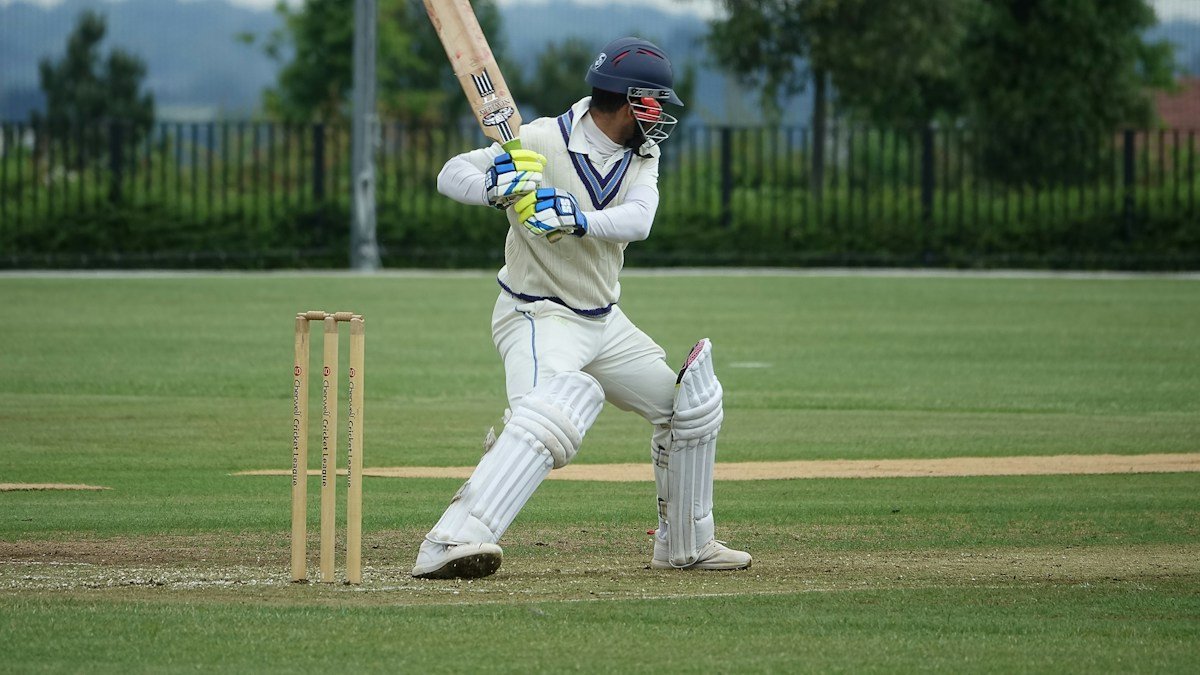
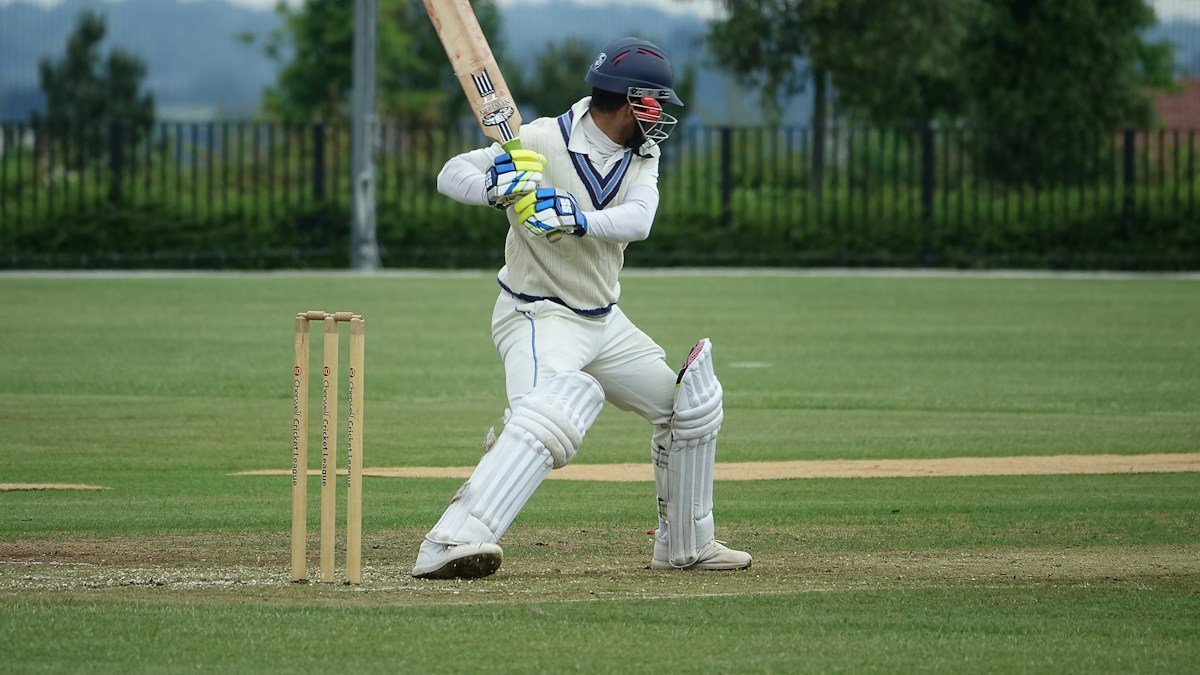
The introduction of lively, grass-covered surfaces has imposed an urgent technical evolution on domestic batters. Opening pairs can no longer rely on expansive horizontal-bat strokes outside off-stump without substantial risk. Surviving the opening ninety minutes now demands compact forward defensive technique, late-played back-foot punches, and ruthless patience.
Coaches across regional academies have embraced this recalibration. By learning to weather prolonged fifteen-over spells from hostile fast bowlers domestically, emerging Pakistani batters are developing the technical discipline required to flourish against world-class attacks in Test cricket.
Looking Ahead to the Penultimate Rounds
With only two rounds remaining before the Quaid-e-Azam Trophy final, Rawalpindi and Peshawar regions are locked in a fierce battle for top seeding. Fans can monitor complete domestic scorecards and tournament updates on our Fixtures portal, explore match results on Results, and track live matches on PTV Sports Live.
Frequently Asked Questions (FAQ)
What is the Quaid-e-Azam Trophy Gold Tier?
The Gold Tier represents the elite first-class regional division in Pakistan domestic cricket, featuring top regional outfits competing for the national red-ball championship.
Who are the leading fast bowlers emerging in this season's tournament?
Standout pacers include nineteen-year-old Ali Raza, tall seamer Mohammad Zeeshan, Kashif Ali, and Ahmed Daniyal.
Which team currently leads the Quaid-e-Azam Trophy points table?
Rawalpindi Region currently leads the standings with four victories from five matches.
Editorial Verification: PTVSports.live follows independent editorial standards. Sources: PCB, ICC, ESPNcricinfo. We fact-check score reports and roster updates independently. For details on error correction protocols, review our Editorial Policy and Corrections Policy.