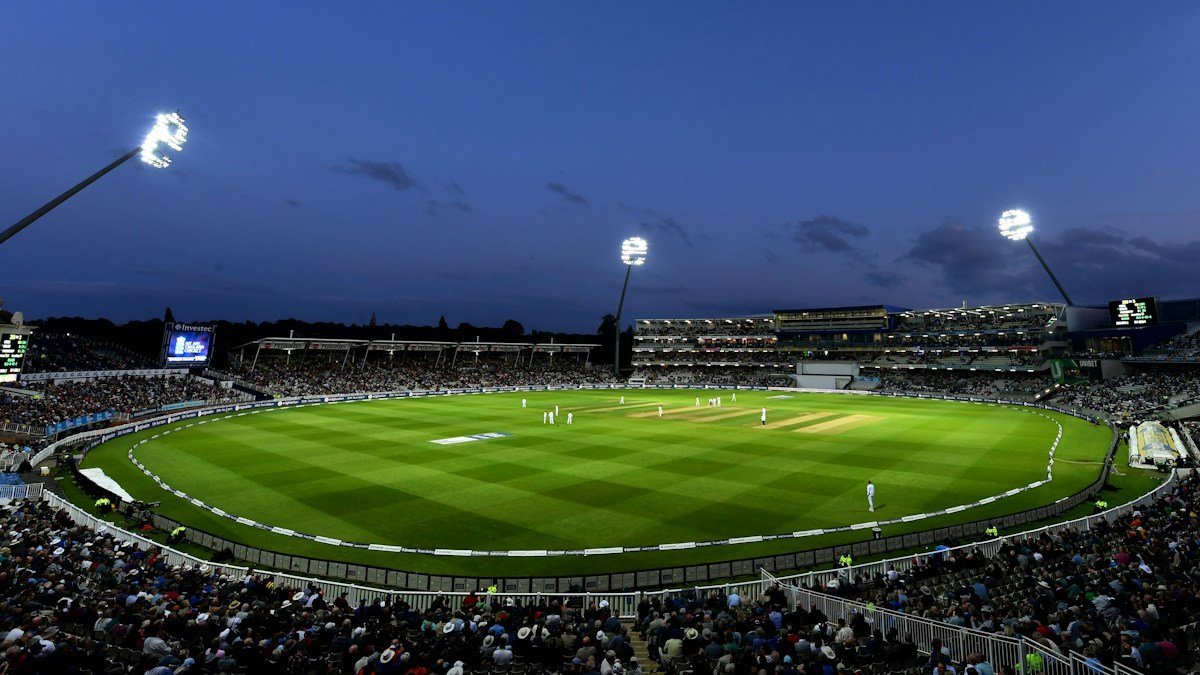
Sheffield Shield Round 15: Victoria Move to 275/3 at Adelaide Oval, Trailing South Australia by 12
Day 2 Sheffield Shield report from Adelaide Oval: Victoria reply strongly with 275/3 to South Australia's first-innings 287, trailing by only 12 runs at stumps.
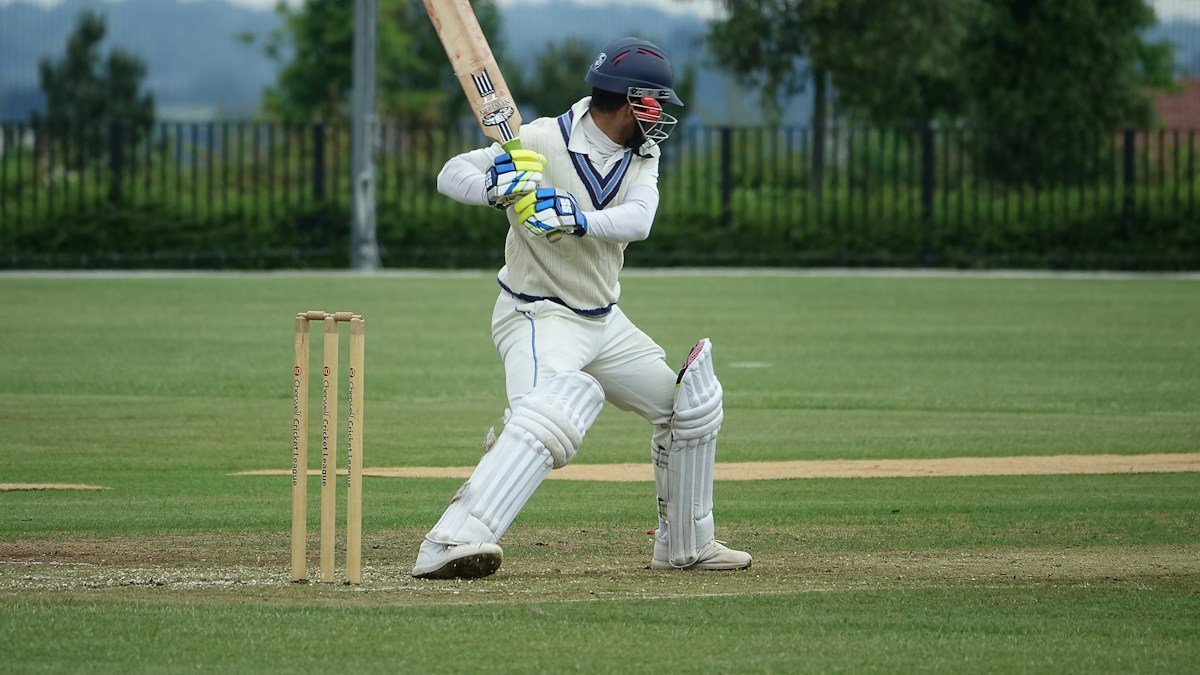
Victoria positioned themselves strongly in their 15th match of the Sheffield Shield competition at Adelaide Oval, reaching 275 for 3 at stumps on Day 2 in reply to South Australia's first-innings total of 287. With seven wickets in hand and trailing by only 12 runs, the visitors hold commanding momentum heading into the pivotal third day of first-class action.
Top-Order Discipline Under Bright Adelaide Skies
Following South Australia's dismissal early in the morning session for 287, Victoria's opening pair set a cautious tone. The Adelaide Oval pitch, traditionally known as one of Australia's premier batting tracks after the initial morning session, flattened out under continuous sunlight.
Marcus Harris and Peter Handscomb exhibited patient defensive technique, leaving judiciously outside off-stump and punishing errant deliveries through mid-wicket and point. Their structured partnerships ensured that South Australia's bowlers were unable to build consecutive maiden overs or generate sustained pressure.
| Innings Details | Total Runs / Wickets | Overs Bowled | Key Batting Performances | Primary Bowling Figures |
|---|---|---|---|---|
| South Australia 1st Innings | 287 all out | 98.4 | Nathan McSweeney (64), Lower Order | Scott Boland 3/52, Fergus O'Neill 3/61 |
| Victoria 1st Innings (Day 2 Stumps) | 275/3 (Trail by 12) | 86.0 | Marcus Harris (88), Peter Handscomb (72*) | Wes Agar 1/48, Jordan Buckingham 1/55 |
South Australia's Bowling Toil and Missed Opportunities
South Australia's pace unit of Wes Agar, Jordan Buckingham, and Brendan Doggett worked tirelessly throughout the afternoon, attempting to use short-ball tactics and reverse swing into the right-handers. However, true bounce and slow lateral deviation blunted their effectiveness.
A couple of half-chances in the slip cordon went begging during the middle session, denying South Australia the breakthroughs needed to expose Victoria's relatively inexperienced lower middle order.
Day 3 Strategic Outlook
Victoria's primary objective on Day 3 will be batting deep into the afternoon to construct a first-innings lead of 100 to 150 runs. If the pitch begins to take spin from the footmarks in the fourth innings, off-spinner Todd Murphy will become a decisive factor for Victoria in the second half of the match.
Adelaide Oval has historically witnessed high fourth-innings totals when conditions remain sunny and dry. However, footmarks created by right-arm pace bowlers around the crease tend to become volatile on Days 3 and 4. Victoria's decision to accumulate patiently on Day 2 ensures they dictate terms, avoiding fourth-innings pressure against a tiring South Australian seam attack. Establishing a first-innings advantage above one hundred runs will allow Victoria's spinners to bowl aggressively into the rough during the second half of the match.
Follow live cricket updates and scores on PTV Sports Live, check complete domestic standings on the Points Table, and explore team rosters on Teams Hub.
Frequently Asked Questions (FAQ)
What was the score at stumps on Day 2 at Adelaide Oval?
South Australia were bowled out for 287 in their first innings. Victoria reached 275/3 at stumps on Day 2, trailing by just 12 runs with seven wickets in hand.
Who led Victoria's batting reply on Day 2?
Victoria's top order, anchored by seasoned first-class campaigners Marcus Harris and Peter Handscomb, built disciplined partnerships across the day.
How did the Adelaide Oval pitch evolve on the second day?
The surface flattened under bright sunshine, offering reliable bounce and minimal seam movement, making strokeplay comfortable for disciplined batters.
Frequently Asked Questions
Editorial Verification: PTVSports.live follows independent editorial standards. Verified Sources: ESPNcricinfo. We fact-check score reports and roster updates independently. For details on error correction protocols, review our Editorial Policy and Corrections Policy.