The 206-Run Blueprint: How Kusal Mendis and Avishka Fernando Revived Sri Lanka's ODI Might
A tactical deep dive into Kusal Mendis (143) and Avishka Fernando's (100) record 206-run stand against New Zealand in Dambulla, signaling Sri Lanka's white-ball revival.

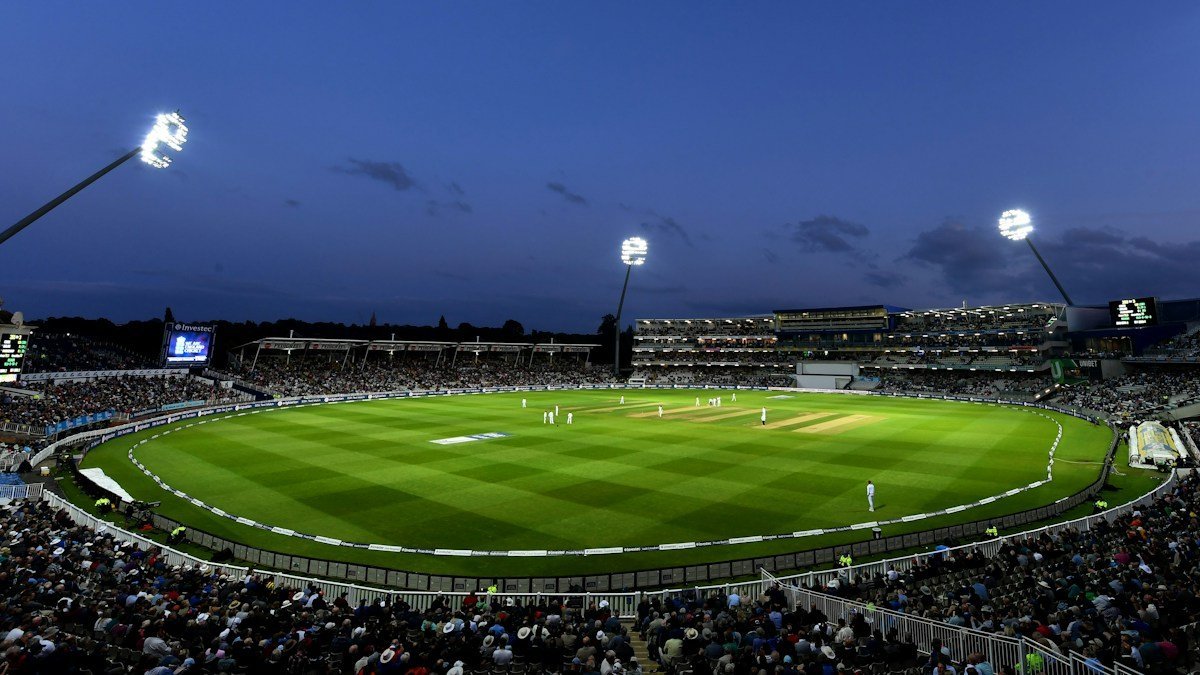
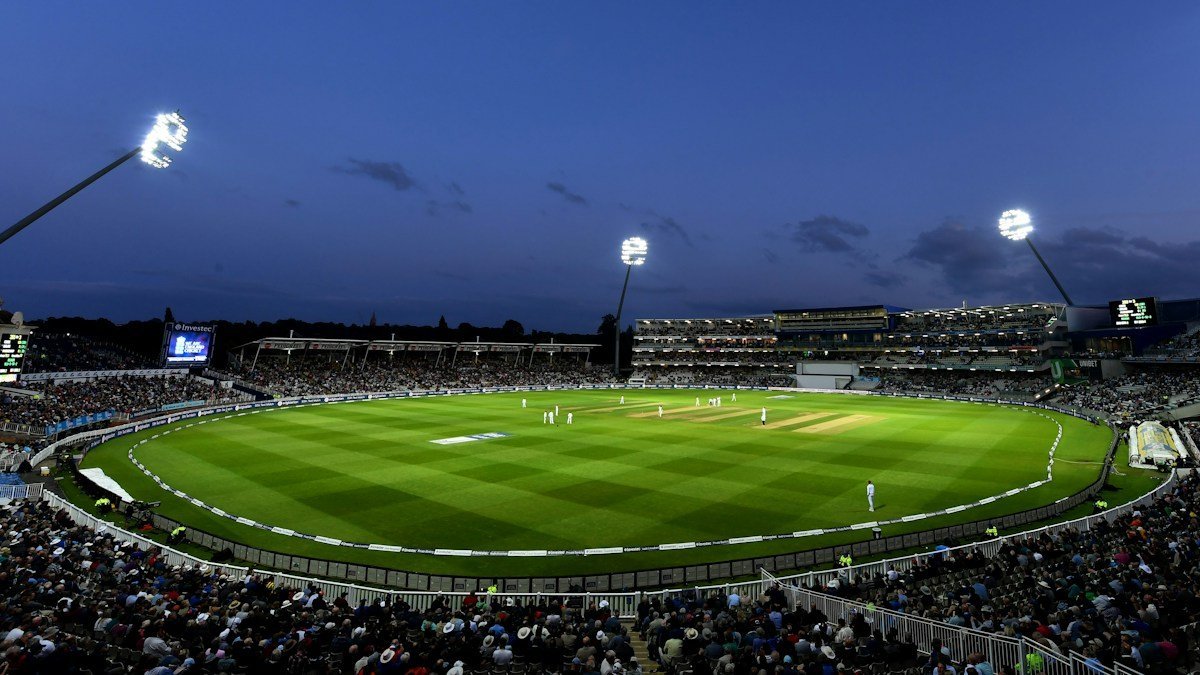
On November 13, 2024, under the floodlit skies of Rangiri Dambulla International Stadium, Sri Lankan white-ball cricket authored one of the most emphatic chapters in its modern renaissance. Facing a formidable New Zealand bowling unit in the first One Day International of their bilateral series, Sri Lanka posted an intimidating total of 324 for 5, ultimately cruising to a comprehensive 45-run victory via the DLS method. At the core of this commanding triumph was a historic, record-shattering 206-run partnership for the second wicket between wicketkeeper-batter Kusal Mendis and stylish opener Avishka Fernando.
This was far more than an isolated match-winning partnership; it represented the tactical crystallization of Sri Lanka's white-ball resurgence under interim head coach Sanath Jayasuriya and inspirational captain Charith Asalanka. Having already stunned world cricket by defeating India 2-0 in an ODI series earlier in August 2024, Sri Lanka demonstrated that their tactical restructuring and fearless attacking mindset have revived their status as a global ODI heavyweight across the wider cricket landscape.
Anatomy of a Masterclass: The 206-Run Blueprint
When explosive opener Pathum Nissanka perished cheaply in the third over for just 12 runs, Sri Lanka found themselves in early peril. In previous years, an early loss of an in-form opener frequently triggered a cautious, defensive crawl from the Sri Lankan top order. However, Mendis and Fernando tore up that timid playbook, engineering a calculated, counter-attacking masterclass that spanned 215 deliveries and completely dismantled the Black Caps' tactical plans.
Avishka Fernando anchored the early phases with immaculate technical discipline, crafting a magnificent 100 off 115 balls punctuated by 9 crisp boundaries and 2 colossal sixes. At the other end, Kusal Mendis produced the finest innings of his international ODI career, bludgeoning a career-best 143 off 128 deliveries, featuring 17 exquisitely timed fours and 2 towering sixes. Together, they established the highest-ever second-wicket ODI partnership for Sri Lanka against New Zealand, eclipsing the previous benchmark of 170 set by Tillakaratne Dilshan and Kumar Sangakkara.
"We wanted to restore the fearlessness and natural flair of Sri Lankan cricket. Kusal and Avishka showed what happens when players trust their preparation and play with clear, aggressive intent from the start." — Sanath Jayasuriya on Sri Lanka's batting evolution.
Innings Phase Breakdown: The 206-Run Partnership Progression
| Game Phase | Overs | Runs Scored | Run Rate | Tactical Execution & Shot Selection |
|---|---|---|---|---|
| Phase 1: Powerplay Consolidation | Overs 3.1 to 10.0 | 47 runs | 6.85 rpo | Disciplined defense against early swing from Jacob Duffy and Nathan Smith; minimal risk, capitalizing on loose deliveries. |
| Phase 2: Middle-Overs Spin Neutralization | Overs 10.1 to 25.0 | 78 runs | 5.20 rpo | Masterful strike rotation against Ish Sodhi and Michael Bracewell; smart manipulation of deep fielders through sweep shots. |
| Phase 3: The Boundary Explosion | Overs 25.1 to 38.3 | 81 runs | 6.15 rpo | Mendis unleashed inside-out lofted drives; Fernando targeted the straight boundary with majestic bat flow. |
| Total Partnership Metrics | 3.1 to 38.3 (215 balls) | 206 runs | 5.75 rpo | Boundary Contribution: 104 runs in 4s and 6s (50.5% in boundaries) |
The Technical Evolution: Base, Balance, and Shot Selection
Biomechanical and technical analysis reveals stark improvements in both batters' setups compared to twelve months prior:
- Avishka Fernando’s Weight Transfer: Previously susceptible to early inswinging deliveries pinning him on the front pad, Fernando adopted a slightly more open stance. This allowed his head to remain upright, enabling him to drive fluently through mid-on and mid-off without playing across the line.
- Kusal Mendis’ Crease Stillness: Mendis eliminated excess trigger movements outside off stump. By waiting for the ball to reach his eye-line, he executed his trademark back-foot punch through covers with laser precision, minimizing false shots against high pace.
- Aggressive Spin Dominance: Both batters completely neutralized New Zealand's spin threat by using rapid footwork. Mendis stepped out to convert length deliveries into half-volleys, while Fernando used his long levers to sweep successfully from outside off stump.
Dismantling New Zealand's Bowling Plans in Dambulla
New Zealand's bowling attack struggled to adapt to the heavy dew and humid evening conditions in Dambulla. In the absence of regular white-ball captain Mitchell Santner, stand-in skipper Michael Bracewell struggled to contain the scoring rate. Leg-spinner Ish Sodhi conceded over 6.5 runs per over, as Mendis repeatedly targeted the vacant midwicket and cow-corner boundaries whenever Sodhi tossed the ball above the eye-line.
Furthermore, Charith Asalanka's leadership provided a composed middle-order safety net. Knowing that Asalanka and dynamic all-rounders Kamindu Mendis and Janith Liyanage were waiting in the shed, Mendis and Fernando played without the fear of exposing a fragile tail, maintaining positive scoring intent even when the Black Caps bowled defensive lines outside off stump.
The Jayasuriya and Asalanka Cultural Revolution
Sri Lanka's remarkable revival cannot be detached from the transformative impact of head coach Sanath Jayasuriya and captain Charith Asalanka. For nearly a decade, Sri Lankan teams suffered from chronic instability, high coaching turnover, and an archaic white-ball philosophy focused on preserving wickets rather than creating scoreboard pressure.
Jayasuriya injected his legendary aggressive ethos into the squad, giving senior batters absolute freedom to express their natural gifts. Under Asalanka's calm, astute leadership, roles have been clarified: top-order batters are empowered to maintain an aggressive Powerplay run rate, knowing the middle order possesses depth and power. This mental liberation was on full display in Dambulla, leaving New Zealand's bowlers bewildered and without answers.
Global Ramifications: Sri Lanka Back on the World Stage
By pairing a massive first-innings total with disciplined spin bowling from Maheesh Theekshana and Jeffrey Vandersay to seal a 45-run DLS victory, Sri Lanka proved that their ODI renaissance is a sustainable, systemic reality. As the Lions climb the ICC ODI team rankings and target direct qualification for future ICC championships, the Dambulla blueprint stands as a shining beacon of what disciplined execution and tactical courage can achieve.
Fans can follow every delivery of Sri Lanka's journey via our live-scores dashboard, review upcoming match fixtures, analyze past series results, and browse comprehensive profiles across our international teams and players directories.
Editorial Verification: PTVSports.live follows independent editorial standards. Sources: PCB, ICC, ESPNcricinfo. We fact-check score reports and roster updates independently. For details on error correction protocols, review our Editorial Policy and Corrections Policy.