Thunderbolts Down Under: How Haris Rauf Reclaimed His World-Class Pace Mojo in Australia ODI Series
An analytical deep dive into Haris Rauf's fiery 10-wicket resurgence down under, breaking down his technical tweaks, wobble seam, and Adelaide Oval 5-for.

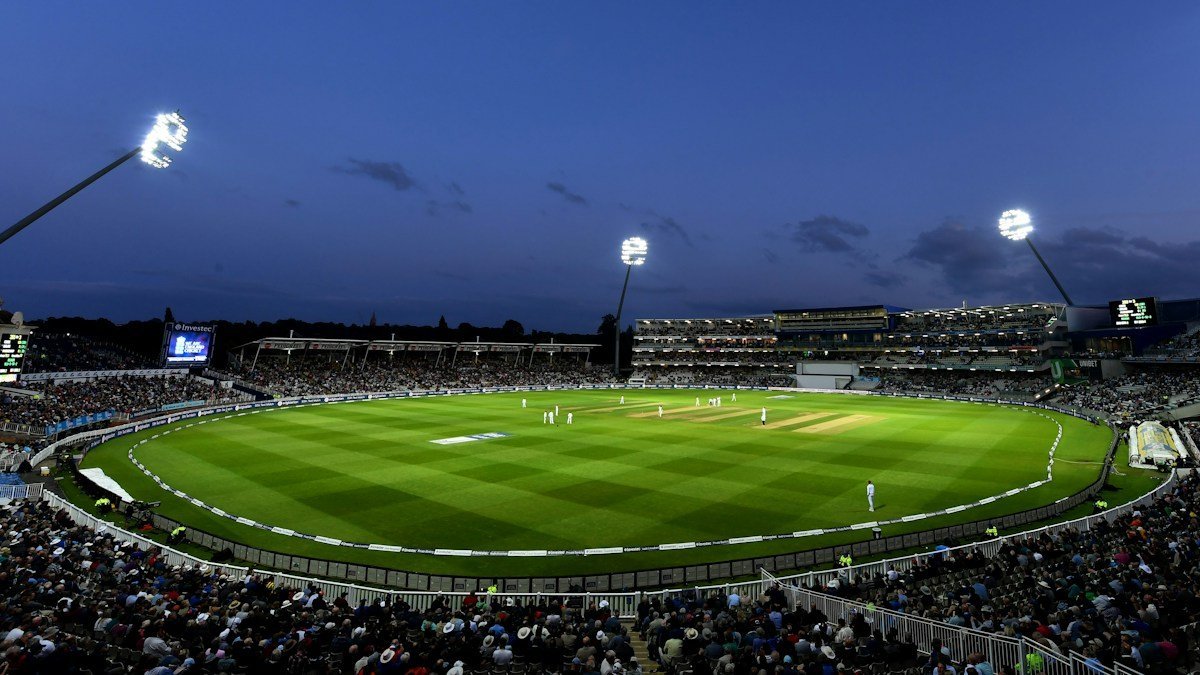
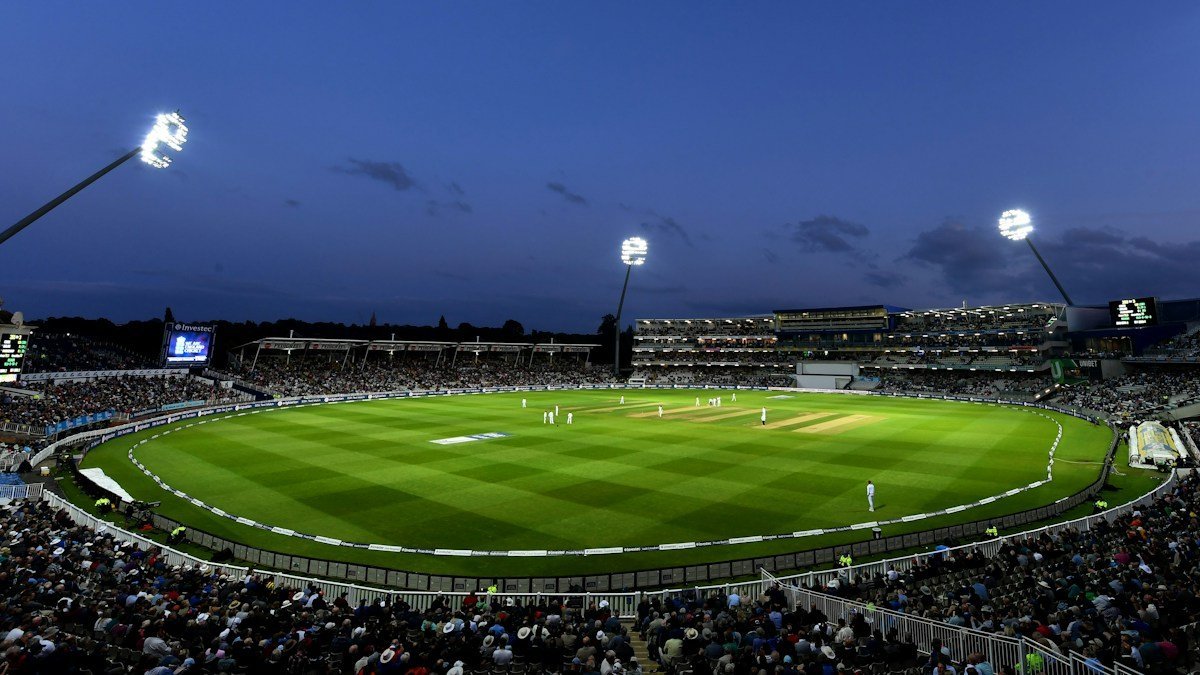
When the Pakistan cricket team touched down in Australia in November 2024, history stood as an imposing monolith. Twenty-two long years had passed since a Pakistani side led by Waqar Younis had won a bilateral One Day International series Down Under. Pundits and statisticians were quick to point out the formidable record of the reigning ODI World Champions on home soil. Yet, over the course of three unforgettable matches at the Melbourne Cricket Ground, Adelaide Oval, and Perth Stadium, that historical narrative was decisively dismantled. At the epicenter of this historic 2-1 series triumph was an express paceman who had endured more than his share of public scrutiny over the preceding twelve months: Haris Rauf.
Clocking speeds consistently between 145 and 149 kph with unyielding stamina, Rauf did not merely bowl; he terrorized the Australian batting order. Across three high-octane ODIs, Rauf claimed 10 wickets at a staggering bowling average of 12.00, striking every 14.4 balls while maintaining a stingy economy rate of 5.00. He was deservedly crowned Player of the Series, cementing a remarkable personal renaissance and spearheading one of Pakistan's finest fast-bowling exhibitions in modern white-ball history.
Redemption on the Bouncy Decks of Adelaide and Perth
To fully grasp the magnitude of Rauf's achievement, one must recall the turbulent road that led him here. The 2023 ICC Cricket World Cup in India had been a punishing trial for the Rawalpindi-born speedster. Despite taking wickets, he bled runs on flat subcontinental surfaces, concluding that tournament as the most expensive bowler in World Cup history. Months later, at the ICC Men's T20 World Cup 2024 in the United States, heartbreak followed during a disastrous Super Over against the co-hosts. Critics openly questioned whether his blistering pace was an asset or a liability on pitches offering true carry.
The 2024 tour of Australia provided the ultimate test of character. Bowling under the astute tactical direction of newly appointed white-ball captain Mohammad Rizwan, Rauf transformed his reputation from an erratic enforcer into a surgically precise strike weapon. The breakthrough moment arrived in the second ODI at Adelaide Oval. Defending a modest Australian total of 163, Rauf ran through the host lineup like a freight train, finishing with career-best ODI figures of 5 for 29 in eight blistering overs.
Haris Rauf’s 2024 Australia ODI Series Bowling Breakdown
| Match & Venue | Overs | Maidens | Runs Conceded | Wickets | Economy | Key Victims |
|---|---|---|---|---|---|---|
| 1st ODI – MCG, Melbourne | 9.0 | 0 | 67 | 3 | 7.44 | Marnus Labuschagne, Glenn Maxwell |
| 2nd ODI – Adelaide Oval | 8.0 | 0 | 29 | 5 | 3.62 | Josh Inglis, Labuschagne, Maxwell, Hardie, Cummins |
| 3rd ODI – Perth Stadium | 7.0 | 1 | 24 | 2 | 3.42 | Marcus Stoinis, Glenn Maxwell |
| Total / Series Summary | 24.0 | 1 | 120 | 10 | 5.00 | Player of the Series (Avg: 12.00) |
Tactical Evolution: From Hit-the-Deck Slogger to Master of the Wobble Seam
What changed mechanically and tactically for Rauf on Australian soil? Fast bowling analysts and biomechanics experts pointed toward three critical technical adjustments:
- Fuller Lengths on Hard Surfaces: Previously, Rauf often relied on banging the ball into the pitch halfway down, allowing top-tier batters to adjust off the back foot. In Australia, he pulled his length forward by nearly a full meter into the 6.0 to 7.2-meter good-length zone, forcing Australian batters to commit forward on bouncy surfaces before hurrying them with sheer velocity.
- Active Wobble-Seam Presentation: Rather than striving exclusively for orthodox outswing, Rauf employed a scrambled, wobble-seam grip. At 147 kph, the ball jagged unpredictably off the pitch in both directions, making it nearly impossible for batters to leave deliveries on bounce or anticipate lateral deviation.
- Corridor Discipline: Rauf eliminated boundary-leakage by locking into the fourth-stump line. He forced Steven Smith and Marnus Labuschagne to play at balls they would normally leave alone, creating nick-offs and hurried defensive prods.
The Glenn Maxwell Hex: Three Matches, Three Dismissals
Nowhere was Rauf's psychological supremacy more apparent than in his one-on-one duel with Australia's dangerous all-rounder Glenn Maxwell. Throughout the three matches, Maxwell faced Rauf with evident discomfort and fell victim to him in every single encounter.
At the MCG, a rising 146 kph thunderbolt rushed Maxwell into a hurried pull shot, resulting in a looping top-edge to mid-on. In Adelaide, Rauf greeted Maxwell with a searing back-of-a-length ball that cut inward, inducing an awkward defensive jab straight into the gloves of Mohammad Rizwan. By the series decider in Perth, the contest was decided before the delivery was even released; Rauf pitched on a probing fifth-stump line at 148 kph, and Maxwell threw his hands into a loose drive, feathering another simple catch behind. It was a tactical checkmate executed with brutal speed.
The Fast Bowling Trinity: Synergy with Shaheen and Naseem
While Rauf walked away with the individual accolades, his resurgence operated within the collective brilliance of Pakistan's fast-bowling pack. With left-arm spearhead Shaheen Shah Afridi setting up opening batters with searching swing and Naseem Shah providing relentless accuracy from the other end, Rizwan possessed the luxury of deploying Rauf as an uncompromising strike weapon in the middle overs.
Unlike previous tournaments where Rauf was introduced under defensive pressure with older balls, Pakistan's new-ball bowlers choked the Australian Powerplay scoring rates. By the time Rauf stepped up to bowl in the 10th over, Australia's middle order was compelled to take risks against 90 mph heat. The result was absolute mayhem, culminating in Australia being rolled over for 163 at Adelaide and a paltry 140 at Perth Stadium.
What This Resurgence Means Ahead of Champions Trophy 2025
This triumphant tour serves as an unmistakable warning to global cricket as Pakistan gears up to host the ICC Champions Trophy 2025. When Haris Rauf bowls with rhythm, speed, and strategic discipline, there are few limited-overs attacks in international cricket news capable of matching Pakistan's firepower. Having conquered his demons on the hardest pitches in world cricket, Haris Rauf has not only redeemed himself—he has established himself as the premier strike weapon for Pakistan's upcoming white-ball campaigns.
Editorial Verification: PTVSports.live follows independent editorial standards. Sources: PCB, ICC, ESPNcricinfo. We fact-check score reports and roster updates independently. For details on error correction protocols, review our Editorial Policy and Corrections Policy.