
Haris Rauf's Express Pace Resurgence: Deconstructing His 10-Wicket Impact Across Australia ODIs
Tactical and biomechanical breakdown of Haris Rauf's player-of-the-series bowling performance in Australia: hard lengths, seam presentation, and middle-overs dominance.

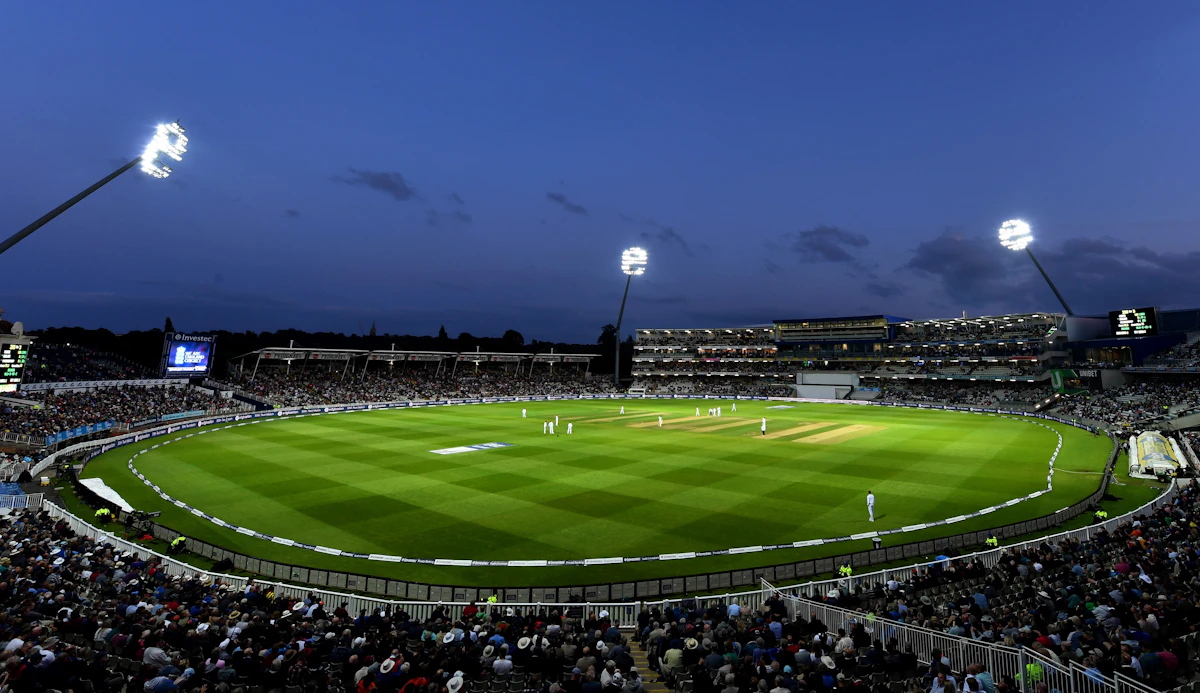
Pakistan's historic 2-1 one-day international series triumph on Australian soil was defined by the ferocious bowling display of Haris Rauf. Claiming ten wickets across three matches at a staggering average of 12.00, the thirty-one-year-old speedster dismantled Australia's formidable batting lineup through sustained 145kph+ hostility, intelligent length alterations, and lethal middle-overs execution.
The Statistical Blueprint: Ten Wickets That Stunned Australia
Entering the series, Australian conditions were expected to favor the host batters against an evolving Pakistani attack. Instead, Haris Rauf delivered one of the most commanding overseas bowling performances by a subcontinent pacer in modern ODI history. Across matches in Melbourne, Adelaide, and Perth, Rauf consistently extracted steep bounce from the center of the pitch, denying batters the room to pull or cut.
In Melbourne, his fiery burst of 3 for 67 nearly snatched victory from the jaws of defeat. In Adelaide, he was virtually unplayable, taking 5 for 29 in eight blistering overs to skittle Australia for 163. He sealed the series in Perth with 2 for 24, breaking the spine of Australia's top order to secure a memorable eight-wicket victory.
Rauf's strike rate of 14.4 balls per wicket meant Australia lost a wicket to him virtually every two and a half overs. Crucially, his wickets were not tailenders; he accounted for Marnus Labuschagne twice, Glenn Maxwell twice, and Josh Inglis, effectively dismantling Australia's engine room during the crucial middle overs.
| Match Venue | Overs Bowled | Runs Conceded | Wickets Taken | Economy Rate | Key Dismissals |
|---|---|---|---|---|---|
| 1st ODI (Melbourne) | 9.0 | 67 | 3 | 7.44 | Glenn Maxwell, Marnus Labuschagne |
| 2nd ODI (Adelaide) | 8.0 | 29 | 5 | 3.62 | Josh Inglis, Marnus Labuschagne, Glenn Maxwell |
| 3rd ODI (Perth) | 7.0 | 24 | 2 | 3.42 | Marcus Stoinis, Aaron Hardie |
| Series Total | 24.0 | 120 | 10 | 5.00 | Average: 12.00 | Strike Rate: 14.4 |
Biomechanical & Tactical Adjustments
Close analysis of Rauf's delivery stride in Australia reveals several key technical improvements implemented alongside Pakistan's coaching staff:
- Upright Seam Position: Rather than relying solely on skiddy scrambled-seam deliveries, Rauf presented a bolt-upright seam that gripped the hard drop-in pitches, generating unpredictably variable bounce between shoulder and throat height.
- Slightly Pulled-Back Length: Recognizing that Australian batters relish full pitching deliveries to drive through extra cover, Rauf operated primarily in the 7-to-8-meter bracket from the batting crease, forcing uncomfortable defensive jabs.
- Pace Maintenance in Spell Three: Rauf's third spell consistently matched his opening speeds, regularly registering between 146 and 149.5 kilometers per hour, overwhelming lower-order resistance.
- Body Alignment at Crease: Adjusting his back-foot plant by three inches minimized rotational hip drift, allowing his bowling arm to accelerate cleanly through the vertical channel towards the target.
Synergy with Shaheen and Naseem
While Rauf walked away with the individual accolades, his effectiveness was multiplied by the relentless opening spells of Shaheen Shah Afridi and Naseem Shah. Shaheen's early swing kept Australian openers pinned inside their crease, allowing Rauf to enter the attack during overs eleven to twenty-five against batters already under acute run-rate pressure.
Captain Mohammad Rizwan utilized Rauf in sharp two- and three-over bursts. Rather than exhausting his energy in long five-over spells, Rizwan used Rauf as an impact weapon whenever an Australian partnership reached thirty runs. This tactical deployment prevented batters from reading Rauf's variations over extended periods.
"Bowling in Australia requires absolute clarity. You cannot search for swing that isn't there; you must bend your back, pound the surface, and challenge the batter's courage with sheer pace." — Haris Rauf, Player of the Series
Death Overs Execution & Big Bash Experience
In addition to his middle-overs impact, Rauf demonstrated remarkable composure during the death overs phase. Confronting aggressive finishers like Marcus Stoinis and Aaron Hardie, Rauf varied his pace effectively, employing hard off-cutters and wide yorkers that denied boundary leverage.
His previous experience in Australia's Big Bash League with Melbourne Stars played a transformative role. Having bowled dozens of intense spells in front of massive crowds at the Melbourne Cricket Ground, Rauf understood the exact boundary angles and wind currents of Australian venues, allowing him to position his boundary sweepers with surgical precision.
Long-Term Implications for Pakistan's White-Ball Arsenal
Rauf's exceptional showing proves that Pakistan's pace battery, when fit and rhythmically aligned, remains the premier white-ball bowling group in world cricket. With the ICC Champions Trophy approaching in early 2025, Rauf's middle-overs wicket-taking prowess gives captain Mohammad Rizwan unmatched tactical flexibility. Explore comprehensive bowling stats on Points Table, track real-time scores on Live Cricket, and review team rosters on Teams.
Frequently Asked Questions (FAQ)
What were Haris Rauf's overall bowling figures in the Australia ODI series?
Haris Rauf claimed 10 wickets in 24 overs, conceding 120 runs at an average of 12.00 and an economy rate of 5.00.
What was Haris Rauf's best bowling performance in the series?
His best performance came in the 2nd ODI at Adelaide Oval, where he claimed 5 for 29 in eight overs.
When did Pakistan last win an ODI series in Australia prior to 2024?
Pakistan last won an ODI series in Australia twenty-two years ago, back in 2002 under the captaincy of Waqar Younis.
Editorial Verification: PTVSports.live follows independent editorial standards. Sources: PCB, ICC, ESPNcricinfo. We fact-check score reports and roster updates independently. For details on error correction protocols, review our Editorial Policy and Corrections Policy.
