
World Test Championship Final Race: How South Africa, India and Australia Can Qualify for Lord's
Comprehensive qualification scenarios for the ICC World Test Championship final at Lord's: points percentage permutations for India, Australia, and South Africa.
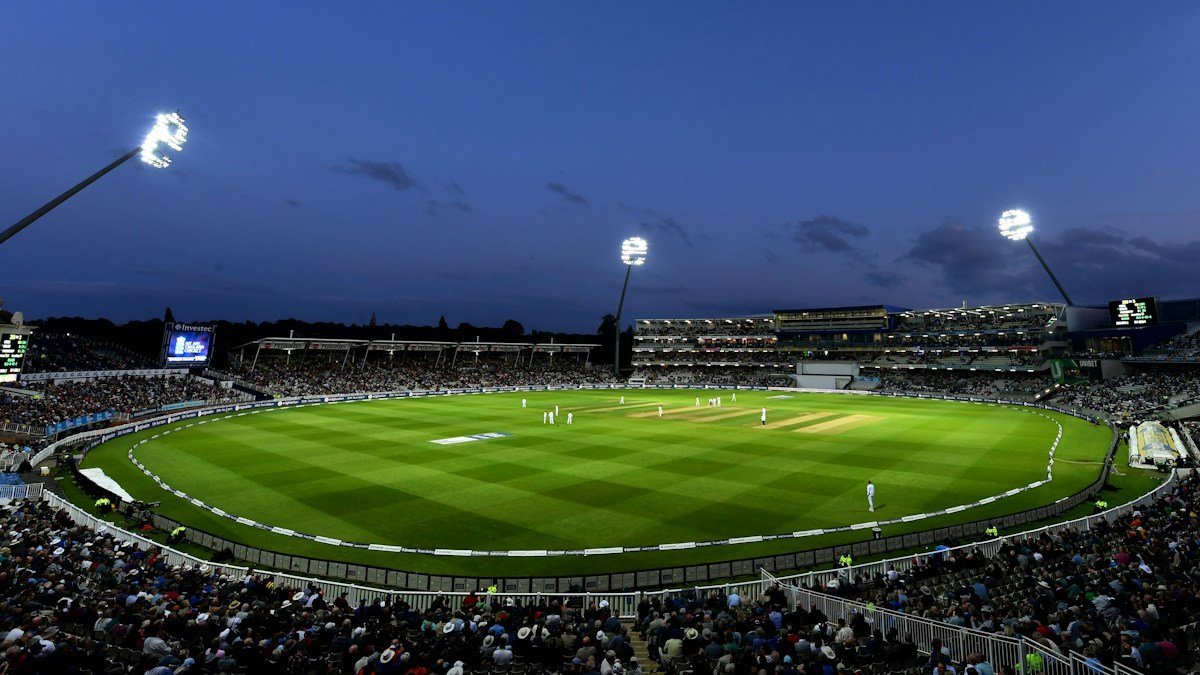
The race to qualify for the ICC World Test Championship (WTC) final at Lord's has entered its most competitive phase. With South Africa asserting commanding dominance at home, and India and Australia clashing in the five-match Border-Gavaskar Trophy, the points percentage table has tightened into a three-way battle for the coveted top two positions.
Understanding the Points Percentage (PCT) System
Under the ICC regulations, teams receive 12 points for a victory, 6 points for a tie, and 4 points for a draw. However, because bilateral series lengths vary between two and five matches, standings are strictly governed by the percentage of available points won (PCT).
Penalty points for slow over-rates play a critical role in the final calculation, having previously cost teams qualification by fractions of a decimal point. Ensuring timely bowling overs is as crucial as winning sessions on the field.
| Contending Nation | Current Points PCT | Remaining Series Fixtures | Target Threshold for Lord's | Primary Qualification Pathway |
|---|---|---|---|---|
| South Africa | ~61.5% | Bangladesh (Home), Pakistan (Home) | 63.5% PCT | Win all remaining home Tests to guarantee top-two spot |
| Australia | ~60.0% | Border-Gavaskar Trophy, Sri Lanka (Away) | 62.0% PCT | Win minimum 3 of 5 home Tests against India |
| India | ~58.5% | Border-Gavaskar Trophy, New Zealand | 60.5% PCT | Secure 4 victories across remaining scheduled Tests |
South Africa's Favorable Home Schedule Advantage
South Africa holds a unique statistical advantage because their remaining fixtures are hosted on fast, bouncy Highveld and coastal pitches in Centurion, Johannesburg, and Durban. By defeating Bangladesh and defending home turf against visiting Asian teams, the Proteas can elevate their PCT past 63 percent without relying on external match results.
This puts tremendous mathematical pressure on India and Australia. If South Africa sweeps their home series, only one of India or Australia can secure the remaining ticket to Lord's.
Border-Gavaskar Trophy as the Deciding Catalyst
The Border-Gavaskar Trophy between Australia and India serves as the de facto knockout tournament. A series victory for either side virtually guarantees qualification, while a drawn or closely fought 2-2 contest creates room for South Africa to leapfrog both powerhouses.
Historical data across previous World Test Championship cycles confirms that qualification margins are razor-thin. In the previous edition, less than two percentage points separated second and third place on the final table. Captains must maintain aggressive over-rates to avoid costly penalty deductions that could ultimately shatter Lord's qualification ambitions. Field placements, bowler rotations, and swift overs between changes must be executed with absolute urgency to protect hard-earned championship points.
Monitor updated World Test Championship tables on the Points Table, read in-depth statistical breakdowns on Cricket News, and track live scores on PTV Sports Live.
Frequently Asked Questions (FAQ)
Where and when will the next ICC World Test Championship final be played?
The WTC Final will be hosted at the historic Lord's Cricket Ground in London, featuring the top two teams on the points percentage table.
How are standings determined in the World Test Championship?
Teams are ranked by percentage of points won (PCT) rather than raw points, accounting for differing numbers of matches played across bilateral tours.
Why has South Africa emerged as a strong contender for the WTC Final?
South Africa's dominant home victories against Bangladesh, Sri Lanka, and Pakistan have catapulted their points percentage toward 63%, putting pressure on India and Australia.
Frequently Asked Questions
Editorial Verification: PTVSports.live follows independent editorial standards. Verified Sources: International Cricket Council (ICC). We fact-check score reports and roster updates independently. For details on error correction protocols, review our Editorial Policy and Corrections Policy.