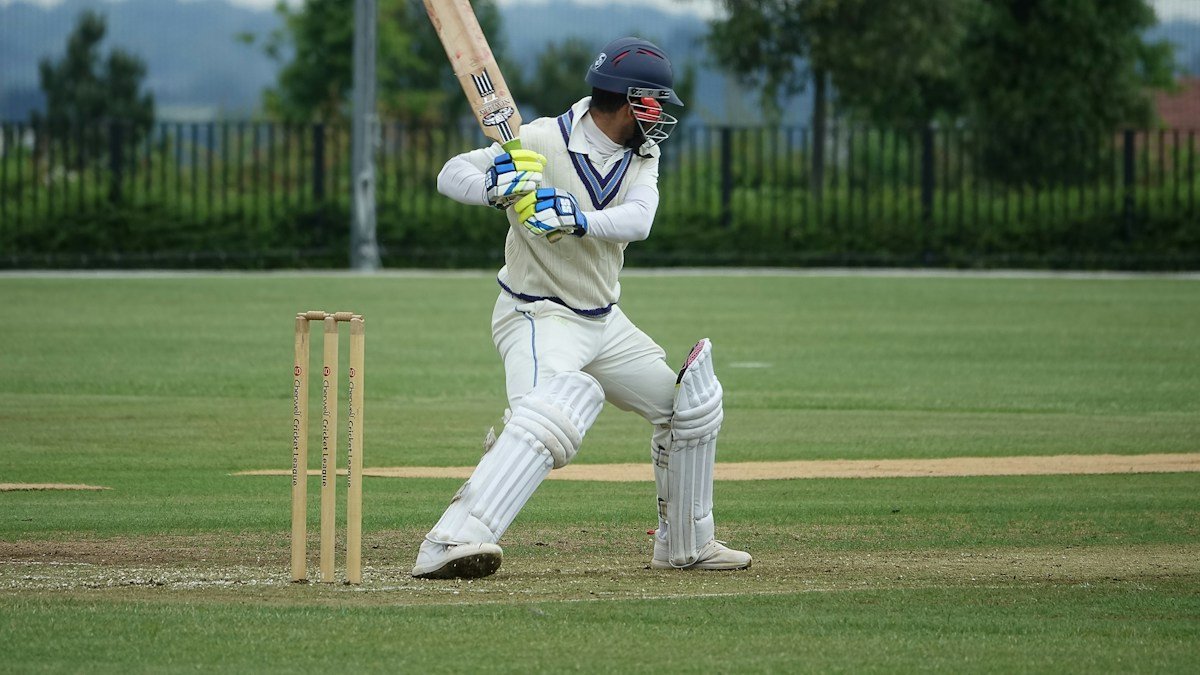
Shubman Gill Captaincy Tactics Analyzed: Dinesh Karthik Evaluates Defensive Field Settings
Tactical analysis of Shubman Gill's field placements and captaincy choices: former wicketkeeper Dinesh Karthik reviews deep boundary setups and bowler rotations.
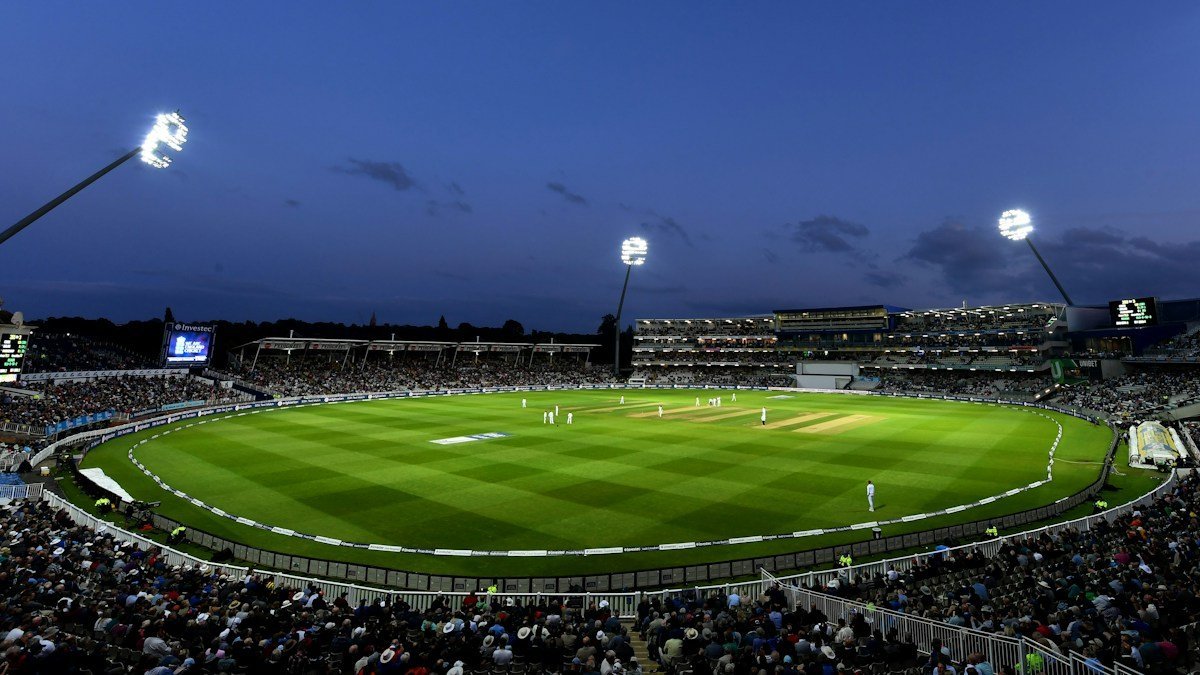
Shubman Gill's tactical maturation as a cricket captain has generated widespread analytical debate among former players and commentators. Following recent competitive encounters, former Indian international wicketkeeper Dinesh Karthik delivered a comprehensive evaluation of Gill's field placements, questioning the deployment of deep boundary sweepers during crucial phases of red-ball matches.
Evaluating Deep Catching Positions vs Run-Saving Rings
In modern multi-day cricket, maintaining scoreboard pressure requires a delicate balance between attacking catching fielders and defensive boundary protection. Karthik highlighted instances where Gill removed third slip and backward point in favor of deep cover and long-off within ten overs of a bowling spell.
This early retreat into defensive alignments allowed opposition batters to rotate strike comfortably with low-risk pushed singles, easing the psychological pressure constructed by the opening bowlers. While run containment is necessary on flat surfaces, taking twenty wickets remains the only pathway to victory in Test cricket.
| Leadership Aspect | Observed Tendency | Dinesh Karthik Assessment | Strategic Recommendation |
|---|---|---|---|
| New Ball Field | Three slips and a gully; rapid dispersion if boundaries conceded | Premature relaxation of catching cordon | Maintain at least three slips through first 15 overs |
| Spin Bowling Ring | Short leg without slip support; deep mid-wicket posted early | Gives batter easy exit route against turning ball | Retain slip and leg slip to capitalize on bat-pad chances |
| Bowling Spell Length | Quick changes; 3 to 4 overs per bowler in afternoon heat | Disrupts rhythm of fast bowlers seeking reverse swing | Grant key strike bowlers 5-over sustained bursts |
| Field Adjustments | Reactionary adjustments after boundaries | Chasing the ball rather than anticipating strokes | Set fields based on planned bowling line, not batter results |
The Balance Between Instinct and Data Analytics
Modern captains rely heavily on pre-match analytical dossiers detailing batter weaknesses, wagon wheels, and dismissal zones. However, match situations frequently deviate from statistical projections, demanding proactive intuition from the on-field leader.
Gill's analytical background from franchise cricket encourages structured positioning, but red-ball cricket demands patience. Forcing errors requires allowing batters to feel constricted, which cannot occur when boundary sweepers provide effortless singles into the outfield.
Long-Term Leadership Trajectory
Constructive critique is an essential component of captaincy development. Legendary leaders including MS Dhoni and Rohit Sharma evolved their tactical methodologies over years of international competition, learning when to squeeze and when to attack.
As Shubman Gill continues to handle greater leadership responsibilities across formats, integrating aggressive catching psychology with structured field discipline will refine his standing among the world's premier tactical minds.
Comparing Gill's developing leadership style with seasoned captains highlights a fundamental philosophical divergence. Where leaders like Rohit Sharma keep catchers in catching positions to force attacking strokes, Gill often prioritizes run preservation. Blending these philosophies will be vital as Gill matures into a seasoned international captain across formats.
Read expert cricket evaluations on Cricket News, check upcoming match schedules on the Fixtures Page, and view player statistics on PTV Sports Live.
Frequently Asked Questions (FAQ)
What was Dinesh Karthik's main observation regarding Shubman Gill's field settings?
Karthik observed that Gill occasionally resorted to defensive boundary sweepers too early in Test sessions, reducing pressure on set opposition batters.
How did Gill manage bowler rotations during middle overs?
Gill favored shorter three-over spells for his pacers, which preserved physical energy but occasionally allowed opposition partnerships to settle into a rhythm.
What improvements did analysts suggest for Gill's red-ball leadership?
Analysts recommended maintaining aggressive catchers in the slip cordon for longer durations and challenging new batters with tighter boundary protections.
Frequently Asked Questions
Editorial Verification: PTVSports.live follows independent editorial standards. Verified Sources: ESPNcricinfo. We fact-check score reports and roster updates independently. For details on error correction protocols, review our Editorial Policy and Corrections Policy.